


Veteraner og støtte etter internasjonale operasjoner
We started Warfog because we were tired of searching for answers in the dark. After coming home from international operations, many of us found that the information we needed — about PTSD, about our rights, about where to turn when the nightmares wouldn’t stop — simply wasn’t available in Norwegian. We spent hours scrolling through English-language forums, translating bureaucratic documents, and piecing together advice from people who had never worn the uniform. It felt lonely, confusing, and frankly, unnecessary. Norway sends its men and women into some of the world’s most dangerous places. When they come back, they deserve better than a scattered trail of PDFs and half-remembered rumours. That gap — between what veterans need and what they can actually find — is why Warfog exists. We are not psychologists, lawyers, or government officials. We are veterans writing for veterans, sharing what we have learned from our own deployments and from the hundreds of conversations we have had with others who served. This blog is our attempt to build the resource we wish we had when we first came home.
Vår reise: Fra internasjonale operasjoner til kameratstøtte
Every veteran’s story is different, but the threads that connect us are surprisingly similar. We came from different branches, different units, different years of service. Some of us deployed once; others went back three or four times. What we share is the experience of returning to a country that often doesn’t quite understand what we’ve been through — and the slow realisation that the transition home is its own kind of operation, one nobody trained us for.
Erfaringer fra ISAF og KFOR
Our team’s deployments span some of the most significant international operations Norway has participated in over the past two decades. Several of us served in Afghanistan as part of ISAF, the International Security Assistance Force. We were stationed in places like Meymaneh and Mazar-e-Sharif, working alongside soldiers from dozens of other nations. The mission was complex: reconstruction, training local forces, maintaining security in areas where the threat was constant and often invisible. We learned to read the landscape, to trust our instincts, and to rely on the person next to us in ways that civilians rarely experience.
Others on our team served in Kosovo with KFOR, the Kosovo Force. The context was different — post-conflict stabilisation rather than active counterinsurgency — but the psychological weight was no lighter. Patrolling villages where the scars of war were still fresh, navigating ethnic tensions, and trying to build trust in communities that had every reason to be suspicious. KFOR taught us that peacekeeping is not passive work. It demands vigilance, patience, and a kind of emotional endurance that doesn’t always get acknowledged.
What we didn’t anticipate was how much those experiences would follow us home. The hypervigilance that kept us alive in Afghanistan made it impossible to relax in a crowded shopping centre in Oslo. The ability to compartmentalise emotions that served us in Kosovo made it difficult to connect with our families. We weren’t broken — but we were changed, and nobody had prepared us for that.
Hvorfor vi startet Warfog
Warfog began as a conversation between two veterans who met at a reunion event in 2019. Both of us had struggled in the years after our deployments. One had been through the Veteran Health Service (Forsvarets sanitet) and found it helpful but slow. The other had tried civilian psychologists who meant well but didn’t understand military culture. We talked for hours about what was missing: a place where veterans could find practical, honest information in Norwegian, written by people who had actually been there.
The name Warfog came from a simple idea: the fog of war doesn’t lift when you come home. It just changes shape. Instead of smoke and dust, it’s bureaucracy and silence. Instead of enemy fire, it’s the feeling that nobody really wants to hear what you have to say. We wanted to cut through that fog — to be a clear voice in a confusing landscape.
We started with a simple blog and a handful of articles. We wrote about our own experiences, about the things we wished we had known, and about the resources that actually helped. The response was immediate and overwhelming. Veterans we had never met started reaching out, sharing their own stories, asking questions we didn’t always have answers to. Warfog grew from a personal project into something bigger: a community of people who understood each other without needing lengthy explanations.
Kameratstøtte i praksis
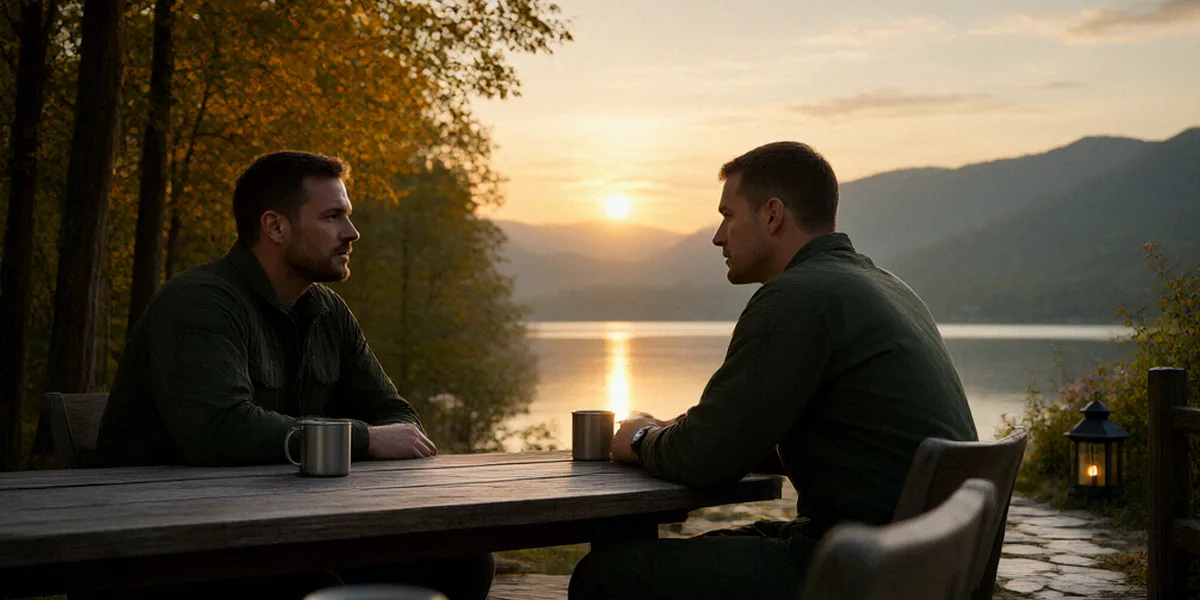
Kameratstøtte — peer support — is not a replacement for professional help. We want to be clear about that from the start. But it is something that professional help often cannot provide: the understanding that comes from shared experience. When a veteran tells another veteran about a flashback, they don’t have to explain why it happens. When someone talks about feeling guilty for surviving when a friend didn’t, the person listening knows exactly what that guilt feels like.
In practice, kameratstøtte can take many forms. It can be a phone call at 2 AM when sleep won’t come. It can be a coffee meeting where nothing is said for twenty minutes and that’s perfectly fine. It can be a group of veterans who meet once a month to talk, or a digital forum where people share articles and resources. At Warfog, we try to facilitate all of these. We moderate an online community where veterans can ask questions anonymously if they prefer. We organise occasional meetups in different cities. And we write articles like this one, because sometimes the first step toward help is simply learning that you’re not alone.
The most important thing we’ve learned about kameratstøtte is that it works both ways. The person giving support often benefits as much as the person receiving it. Helping someone else navigate their transition gives purpose to your own struggles. It turns pain into something useful. That’s not a cure, but it’s a start.
PTSD og psykisk helse: Hva vi har lært
Post-traumatic stress disorder — PTSD — is one of the most discussed and least understood conditions affecting veterans. We are not clinicians, and nothing in this article should be taken as medical advice. But we have lived with PTSD, we have seen it in our friends, and we have spent years learning about how it works and what can be done about it. This section is our attempt to share that knowledge in plain language.
Symptomer og tidlige tegn
PTSD doesn’t always announce itself. For some veterans, symptoms appear immediately after returning home. For others, they emerge months or even years later, triggered by a sound, a smell, or a life event that brings the past rushing back. We have experienced both patterns in our team, and we have seen them in others.
The classic symptoms fall into four categories:
- Re-experiencing: Flashbacks, nightmares, and intrusive memories that feel as vivid as the original event. You might be back in a specific moment, unable to distinguish it from the present.
- Avoidance: Staying away from people, places, or situations that remind you of the trauma. This can mean avoiding crowds, refusing to watch the news, or isolating yourself from family and friends.
- Negative changes in mood and thinking: Persistent guilt, shame, or hopelessness. Feeling detached from others. Losing interest in activities you used to enjoy. Difficulty remembering aspects of the traumatic event.
- Hyperarousal: Being constantly on edge. Difficulty sleeping. Irritability and anger outbursts. Trouble concentrating. Feeling like danger is always around the corner.
Early signs can be subtle. Maybe you’re drinking more than you used to. Maybe you’re snapping at your partner for no reason. Maybe you find yourself checking the exits every time you enter a room. These behaviours often develop as coping mechanisms — ways of managing anxiety that you don’t even realise you’re doing. Recognising them is the first step toward addressing them.
We want to be honest: many of us ignored these signs for years. We told ourselves it was normal, that everyone who had been through what we had been through felt this way. And in a sense, that was true. But normal doesn’t mean healthy. Just because other veterans are struggling doesn’t mean you have to struggle alone.
Behandlingstilbud i Norge
Norway has a range of treatment options for veterans with PTSD and other mental health conditions. The most specialised is the Veteran Health Service, operated by Forsvarets sanitet (the Norwegian Armed Forces’ medical service). This service is specifically designed for veterans and understands military culture in a way that civilian providers often do not.
The Veteran Health Service offers assessment, treatment, and follow-up for veterans who have served in international operations. You can be referred by your general practitioner (fastlege) or, in some cases, contact them directly. The service has teams in several locations across Norway, and they also offer video consultations for veterans who live far from major cities.
In addition to the Veteran Health Service, there are civilian psychologists and psychiatrists who specialise in trauma. Some have specific experience with military populations. Your fastlege can refer you to a psychologist through the public healthcare system, though waiting times can be long. If you have private insurance through your employer or union, you may be able to access treatment more quickly.
Evidence-based treatments for PTSD include:
- Trauma-focused cognitive behavioural therapy (TF-CBT): A structured therapy that helps you process traumatic memories and change unhelpful thought patterns.
- Eye movement desensitisation and reprocessing (EMDR): A therapy that uses guided eye movements to help the brain process traumatic memories.
- Prolonged exposure therapy: Gradually confronting feared situations and memories in a safe, controlled way.
- Medication: Antidepressants such as SSRIs can help manage symptoms, often in combination with therapy.
We have tried different treatments ourselves, and we know others who have tried others. What works varies from person to person. The important thing is to start somewhere, and to be patient with the process. Recovery is rarely linear.
Å søke hjelp uten skam
This is perhaps the hardest section to write, because it touches on something we all struggle with: shame. Military culture teaches us to be strong, self-reliant, and mission-focused. Admitting that we are struggling can feel like a failure. We worry that others will see us as weak, that our careers will suffer, that we will be labelled as broken.
We understand that fear. We have felt it. But we have also learned that shame is the enemy of recovery. The longer you hide your struggles, the more power they have over you. The moment you say them out loud — to a friend, a therapist, a fellow veteran — they begin to lose that power.
One of the most important things we can say is this: seeking help is not a sign of weakness. It is a sign of strength. It takes courage to admit that you need support, and it takes discipline to work through the difficult process of recovery. These are the same qualities that made you a good soldier. You are not abandoning them by asking for help. You are applying them in a new context.
If you are not ready to talk to a professional, start with someone you trust. A fellow veteran, a family member, a friend. You don’t have to share everything at once. You just have to start. And if you are in crisis, please contact the emergency services (113) or the mental health helpline (Mental Helse: 116 123).
Veteranrettigheter: Økonomisk og juridisk støtte
One of the most confusing aspects of life after service is navigating the system of rights, benefits, and compensation that exists for veterans. The rules are complex, the terminology is bureaucratic, and the consequences of getting it wrong can be significant. In this section, we outline the key rights and where to find help.
Erstatning og trygdeordninger
Veterans who have been injured or become ill as a result of their service may be entitled to compensation from NAV (the Norwegian Labour and Welfare Administration). This can include:
- Work assessment allowance (AAP): For those who are temporarily unable to work due to illness or injury.
- Disability benefit (uføretrygd): For those whose work capacity is permanently reduced.
- Injury compensation (menerstatning): A one-time payment for permanent injury or illness caused by service.
- War pension (krigspensjon): Under the War Pension Act, veterans who served in certain international operations may be entitled to a pension if they suffered injury or illness as a result.
The process of applying for these benefits can be lengthy and requires documentation. We recommend keeping thorough records of your service, your medical history, and any incidents that may be relevant. If you are unsure whether you qualify, it is worth investigating. Many veterans miss out on benefits simply because they don’t know they exist.
It is also worth noting that the rules have changed over time. If you applied for compensation years ago and were rejected, it may be worth reapplying under current regulations. We have seen cases where veterans were initially denied, only to succeed on appeal or with new documentation.
Hjelp fra NVIO og andre organisasjoner
NVIO (the Norwegian Veterans Association) is one of the most important resources for veterans navigating the system. They offer free legal advice, help with applications, and advocacy on behalf of veterans. If you are struggling with NAV, the Armed Forces’ Personnel and Conscription Agency (Forsvarets personell- og vernepliktssenter), or any other part of the system, NVIO can help you understand your rights and guide you through the process.
Other organisations that can provide support include:
- Veteranforbundet: Another veterans’ organisation that offers support and community.
- Blå Kors: Offers support for veterans dealing with addiction and mental health issues.
- Kirkens Bymisjon: Provides social support and counselling in several Norwegian cities.
- Landsforeningen for Pårørende innen Psykisk helse (LPP): Support for family members of veterans with mental health challenges.
We have personally benefited from the help of NVIO, and we cannot recommend them highly enough. They understand the system, they understand veterans, and they genuinely want to help.
Saksgang og klagemuligheter
If you disagree with a decision made by NAV or another agency, you have the right to appeal. The appeals process can be complicated, but there are resources available to help you.
The first step is usually to request a written explanation of the decision. This will tell you the reasoning behind it and the deadline for appealing. You then submit a written appeal to the relevant agency. If the agency upholds its decision, the case may go to a higher body, such as the National Insurance Court (Trygderetten) for NAV cases.
We strongly recommend seeking help from NVIO or a lawyer with experience in veterans’ rights before submitting an appeal. The process is technical, and having someone who knows the system can make a significant difference.
One thing we have learned: don’t give up. The system can be frustrating, and rejections are common. But many veterans succeed on appeal or with better documentation. If you believe you are entitled to something, keep fighting for it.
Kameratstøtte og nettverk: Bygge bro mellom veteraner
Isolation is one of the most dangerous things a veteran can experience. When we leave the military, we lose the structure, the camaraderie, and the sense of purpose that defined our daily lives. For many of us, that loss is more disorienting than anything we experienced during deployment. Building a new network — or reconnecting with the old one — is essential.
Veteranhus og lokale møteplasser
Across Norway, there are veteran houses (veteranhus) and other meeting places where veterans can gather, socialise, and support each other. These are often run by veterans’ organisations or local municipalities, and they offer a range of activities: coffee mornings, group discussions, outdoor trips, and more.
The atmosphere at a veteran house is different from a normal café or community centre. There is an unspoken understanding that everyone there has been through something similar. You don’t have to explain yourself. You don’t have to watch what you say. You can just be yourself, among people who get it.
If there is no veteran house near you, check with your local municipality or NVIO. Some areas have informal meetups that aren’t widely advertised. And if nothing exists, consider starting something yourself. Even a monthly coffee meetup can make a difference.
Digitale fellesskap og forum
For veterans who live in remote areas or who prefer to connect online, digital communities can be a lifeline. Warfog moderates an online forum where veterans can share experiences, ask questions, and support each other. The forum is moderated to ensure it remains a safe and respectful space.
Other digital resources include:
- Veteraners Kontaktforum: A national network that connects veterans with each other and with resources.
- Facebook groups: Several groups exist for Norwegian veterans, though quality and moderation vary.
- Discord servers: Some veteran communities have moved to Discord, offering real-time chat and voice channels.
Digital communities are not a replacement for face-to-face contact, but they can be a valuable supplement. They are available 24/7, they reach people who might otherwise be isolated, and they allow for a level of anonymity that some veterans find helpful.
Aktiviteter og arrangementer
One of the best ways to build connections is through shared activities. Many veterans find that doing something together — hiking, fishing, shooting, or even just cooking — is easier than sitting in a room and talking about feelings. The activity provides a focus, and the conversation happens naturally.
Throughout the year, there are various events for veterans in Norway: commemorations, sports events, reunions, and informal gatherings. We try to keep our readers informed about upcoming events through our blog and social media channels.
If you are organising an event for veterans, we would love to hear about it. Part of our mission at Warfog is to connect people, and we are always happy to help spread the word.
Praktiske råd for hverdagen etter tjeneste
The transition from military to civilian life is not a single event; it is a process that can take years. In this section, we offer practical advice based on our own experiences and those of the veterans we have spoken with.
Stressmestring og rutiner
Military life is structured. You know when to wake up, when to eat, when to train, when to sleep. Civilian life is not like that. The lack of structure can be disorienting, and it can make it harder to manage stress.
One of the most helpful things you can do is create your own routines. This doesn’t have to be rigid, but it should be consistent. Wake up at the same time each day. Exercise regularly. Eat meals at regular times. Set aside time for relaxation and time for work.
Other stress management techniques that veterans have found helpful include:
- Physical exercise: Running, weightlifting, swimming, or any activity that gets your heart rate up. Exercise is one of the most effective ways to manage anxiety and improve mood.
- Mindfulness and breathing exercises: Simple techniques that can help calm the nervous system. Apps like Headspace and Calm offer guided sessions in Norwegian.
- Limiting alcohol: Many veterans use alcohol to cope with stress, but it often makes things worse in the long run. If you are drinking more than you used to, it may be worth talking to someone about it.
- Sleep hygiene: Good sleep is essential for mental health. Try to go to bed and wake up at the same time each day, avoid screens before bed, and keep your bedroom dark and cool.
If stress is interfering with your daily life, don’t hesitate to seek professional help. The Veteran Health Service and your fastlege can both help.
Familie og relasjoner
Deployment affects not just the veteran but also their family. Partners, children, and parents all experience their own form of stress during and after a deployment. Reconnecting with them can be challenging, especially if you have changed in ways you don’t fully understand yourself.
Communication is key. This sounds obvious, but it is harder than it seems. Many veterans find it difficult to talk about their experiences, and family members may be unsure how to ask. Here are some things that have helped us:
- Be honest about what you can and cannot talk about: You don’t have to share everything, but it helps to let your family know what is off-limits and why.
- Listen to their experiences too: Your family has been through something as well. Ask them how they are doing, and really listen to the answer.
- Consider family counselling: Sometimes a neutral third party can help facilitate conversations that are difficult to have on your own.
- Be patient: Rebuilding relationships takes time. Don’t expect everything to be normal overnight.
If you are struggling in your relationship, don’t wait until things are in crisis. Seek help early. The Veteran Health Service and organisations like NVIO can provide resources for families as well as veterans.
Utdanning og jobb
Finding meaningful work after service is important — not just for financial reasons, but for your sense of identity and purpose. Many veterans struggle with this transition, especially if their military skills don’t translate directly to civilian jobs.
There are several resources available to help:
- NAV: Offers career counselling, job placement assistance, and financial support for education and training.
- Veteran Guide: An online resource that provides information about education, employment, and other topics for veterans.
- Forsvarets personell- og vernepliktssenter: Can provide documentation of your service and skills that may be useful when applying for jobs or education.
- Employer networks: Some Norwegian companies have specific programs for hiring veterans. NVIO can provide more information about these.
If you are considering education, there are several options. Many universities and colleges offer flexible programs for adults, and there may be financial support available through NAV or other sources. It is never too late to learn something new.
One thing we have learned: don’t underestimate the value of your military experience. The skills you developed — leadership, problem-solving, working under pressure — are highly valued in civilian workplaces. You may need to learn how to present them differently, but they are there.
If you are struggling to find work, don’t give up. It can take time, and it can be frustrating. But there are people who can help, and there are opportunities out there. Reach out to NAV, NVIO, or the Veteran Guide for support.
And remember: no veteran should face the transition alone. Whether you are struggling with PTSD, navigating the benefits system, or just trying to figure out what comes next, there are people who understand and who want to help. Reach out to us at Warfog. Join our community. Share your story. And if you need professional help, don’t hesitate to seek it. You have served your country. Now let your country — and your fellow veterans — serve you.
Ofte stilte spørsmål
Hva er forskjellen mellom kameratstøtte og profesjonell behandling?
Kameratstøtte is peer support — help from people who have shared similar experiences. It can be incredibly valuable for feeling understood and less alone. However, it is not a substitute for professional treatment. Psychologists, psychiatrists, and other healthcare professionals have training and expertise that peers do not. The best approach is often a combination: professional treatment for clinical needs, and peer support for the sense of community and understanding that comes from talking to someone who has been there.
Hvordan kan jeg få hjelp fra Veteran Health Service?
The Veteran Health Service (Forsvarets sanitet) can be contacted directly or through your general practitioner (fastlege). They offer assessment, treatment, and follow-up for veterans who have served in international operations. You can find contact information on the Norwegian Armed Forces’ website, or ask your fastlege to refer you. The service is free and confidential.
Hva gjør jeg hvis NAV avslår søknaden min om erstatning?
If NAV rejects your application, you have the right to appeal. The first step is to request a written explanation of the decision, which will include information about the appeals process and deadlines. We strongly recommend contacting NVIO for help with your appeal. They have experience with these cases and can help you present your case effectively. Don’t give up — many veterans succeed on appeal.
Finnes det hjelp for pårørende til veteraner?
Yes. Organisations like LPP (Landsforeningen for Pårørende innen Psykisk helse) offer support for family members of veterans with mental health challenges. The Veteran Health Service also provides resources for families. Additionally, many local veteran houses and organisations welcome family members. It is important for pårørende to have their own support network, as supporting a veteran can be challenging.
Hvordan kan jeg bli involvert i Warfog?
There are several ways to get involved. You can join our online community and participate in discussions. You can share your own story by writing a guest post for our blog. You can attend one of our meetups or events. And you can help spread the word about Warfog to other veterans who might benefit from our resources. Contact us through our website to learn more. We are always looking for new voices and new perspectives.
Warfog exists because we believe that no veteran should have to navigate the transition home alone. Whether you are just starting to look for information, or you have been struggling for years, we hope this page has been helpful. The road after service is not always easy, but it is easier when you have people walking it with you. Reach out. Join the community. And remember: you are not alone.
Siste artikler
- Veteranorganisasjoner i Norge
 Veteranorganisasjoner i Norge: How We Support Veterans After Service When Norwegian service members return home from internasjonale operasjoner, the transition back to… Les mer: Veteranorganisasjoner i Norge
- Veterandagen 8. mai
 Veterandagen 8. mai: Honouring Service and Sacrifice On 8 May, Norway marks two significant occasions at once. It is Liberation Day, commemorating… Les mer: Veterandagen 8. mai
- Traumatisk hjerneskade (TBI) forklart
 Traumatisk hjerneskade (TBI) forklart: Hva britiske veteraner bør vite Traumatisk hjerneskade kalles ofte «den usynlige skaden» blant veteraner. Vi i Warfog mener… Les mer: Traumatisk hjerneskade (TBI) forklart
- Slik driver du et nettforum for veteraner
 Slik driver du et nettforum for veteraner When we first launched our own online forum for veterans, we expected the technology to… Les mer: Slik driver du et nettforum for veteraner
- Rettigheter for veteraner i Norge
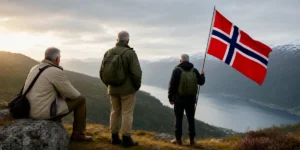 Rettigheter for veteraner i Norge: What You Need to Know Imagine this: you’ve served Norway in Afghanistan, Lebanon, or the Balkans. You… Les mer: Rettigheter for veteraner i Norge
- PTSD etter utenlandstjeneste: tegn og hjelp
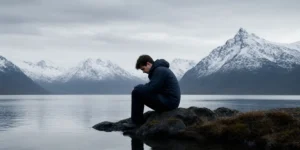 PTSD etter utenlandstjeneste: tegn og hjelp We often hear from veterans who came home from an international operation feeling like everything should… Les mer: PTSD etter utenlandstjeneste: tegn og hjelp