Veteranorganisasjoner i Norge: How We Support Veterans After Service
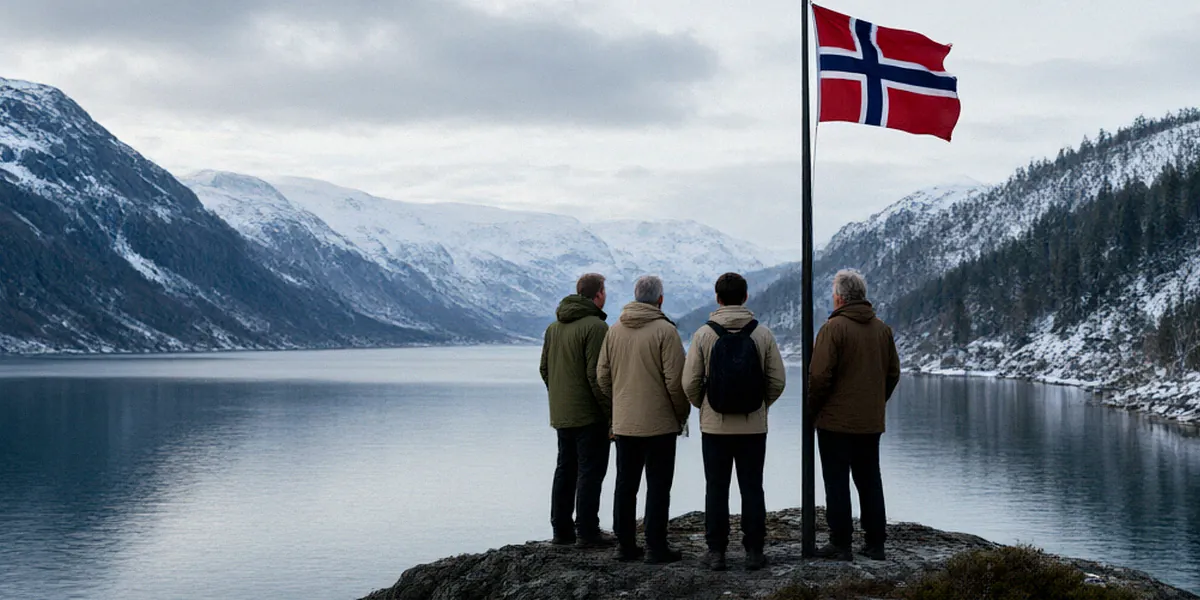
When Norwegian service members return home from internasjonale operasjoner, the transition back to civilian life can be harder than anyone expects. We have seen how veterans who served in Afghanistan, Kosovo, Lebanon, and other conflict zones often carry invisible wounds — PTSD, moral injury, sleep problems, and a nagging sense that nobody at home truly understands what they went through. That is exactly why veteranorganisasjoner exist in Norway. These organisations provide kameratstøtte, fight for veteranrettigheter, and give veterans a place where their experiences are understood without explanation.
Why Veteranorganisasjoner Matter for Norwegian Veterans
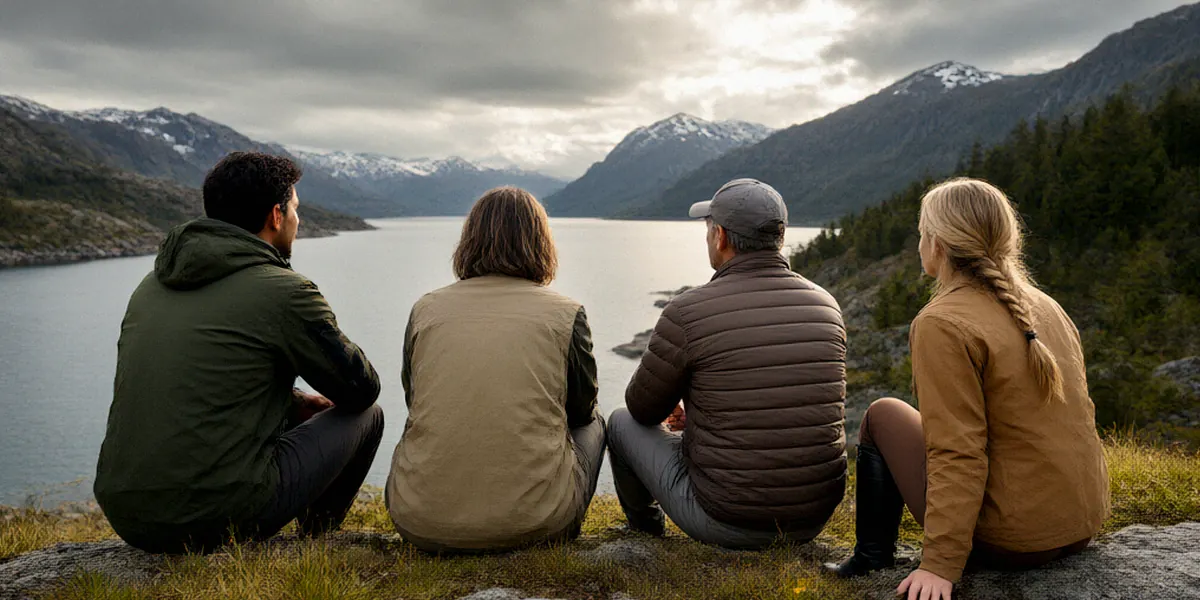
Norway has deployed tens of thousands of personnel to internasjonale operasjoner since the 1990s. While the Norwegian Armed Forces and the Ministry of Defence’s Veteran Action Plan have improved official follow-up, the day-to-day support that keeps veterans going often comes from peer-led organisations rather than government agencies. These groups fill a gap that no bureaucracy can fully cover: the understanding that only another veteran can offer.
The Gap Between Military and Civilian Life
Military service builds a tight identity, a clear mission, and a strong sense of belonging. Civilian life rarely offers the same. Many veterans describe feeling restless, isolated, or misunderstood after leaving the forces. Employers may not grasp why a former officer reacts strongly to loud noises, and family members may not know how to talk about what happened during deployment. Veteranorganisasjoner bridge this gap by creating spaces — both physical and digital — where veterans can speak freely.
How Kameratstøtte Saves Lives
Kameratstøtte, or comrade support, is not a soft concept. It is a proven protective factor against suicide and severe mental health crises. When a veteran knows that another person has stood in the same dust, carried the same weight, and come home with the same questions, the shame around struggling begins to dissolve. Organisations like SIOPS have built their entire model around this principle, and the results speak for themselves: veterans who might never call a doctor will call a fellow veteran.
Key National Veteranorganisasjoner in Norway
Several national organisations form the backbone of veteran support in Norway. Each has a slightly different focus, but together they cover advocacy, peer support, and practical help.
NVIO: Advocating for Veteranrettigheter
Norges Veteranforbund for Internasjonale Operasjoner (NVIO) is one of the largest and most influential veteranorganisasjoner in the country. NVIO works on veteranrettigheter — pensions, compensation, healthcare access, and public recognition. It also runs local branches across Norway where veterans meet regularly, and it organises rehabilitation retreats that combine physical activity, peer conversations, and professional guidance.
SIOPS: Peer Support for PTSD
SIOPS (Support and Information for Veterans with PTSD) focuses specifically on post-traumatic stress disorder and related conditions. The organisation offers peer-to-peer counselling, meaning that the person on the other end of the phone or chat has personal experience with PTSD. SIOPS also provides information to families and employers, helping them understand what PTSD looks like in daily life.
Other Notable Organisations
Beyond NVIO and SIOPS, several other groups play important roles:
- Norges Veteranforbund — the broader Norwegian Veterans Association, which represents veterans from all service backgrounds.
- Veteranforeningen local branches — community-level groups that arrange social events, hikes, and informal meetups.
- Blue Cross Norway — offers conversation groups and retreats for veterans and their families.
- Soldatens Fredag — an informal peer network that connects veterans online and in person.
How These Organisations Support Veterans with PTSD
PTSD does not disappear on its own. The organisations above have developed concrete programmes that meet veterans where they are, rather than waiting for them to seek clinical help first.
Peer Support vs. Clinical Treatment
Peer support and clinical treatment are not competitors — they are complements. A psychologist can provide trauma-focused therapy, but a peer supporter can offer something different: the credibility of lived experience. SIOPS’ peer-to-peer counselling is a good example. A veteran can call, speak with someone who has been through similar deployments, and receive both practical advice and emotional recognition. Many then feel ready to pursue clinical treatment, often in collaboration with the Norwegian Centre for Violence and Traumatic Stress Studies (NKVTS), which conducts research and provides specialised assessment.
Family and Partner Programmes
PTSD affects entire families. Partners often notice the symptoms first — the nightmares, the withdrawal, the anger — but may not know how to respond. Several veteranorganisasjoner run programmes specifically for spouses and children, teaching them how to communicate, set boundaries, and access support for themselves. NVIO and Blue Cross both offer family-focused weekends and online resources.
Veteranrettigheter: What Benefits and Rights Do They Promote?
Advocacy is a core mission for Norwegian veteranorganisasjoner. They lobby politicians, respond to government consultations, and represent individual veterans in disputes with public agencies.
Healthcare and Compensation
Norwegian veterans who develop service-related health problems may be entitled to compensation under the War Pensions Act. Organisations help veterans navigate this system, which can be complex and slow. They also push for faster recognition of PTSD and other psychological injuries, arguing that the burden of proof should not fall entirely on the veteran. The Norwegian Veterans’ Ombudsman (Veteranombudet) is an independent official who also works to ensure fair treatment, and organisations frequently cooperate with this office.
Recognition and Awards
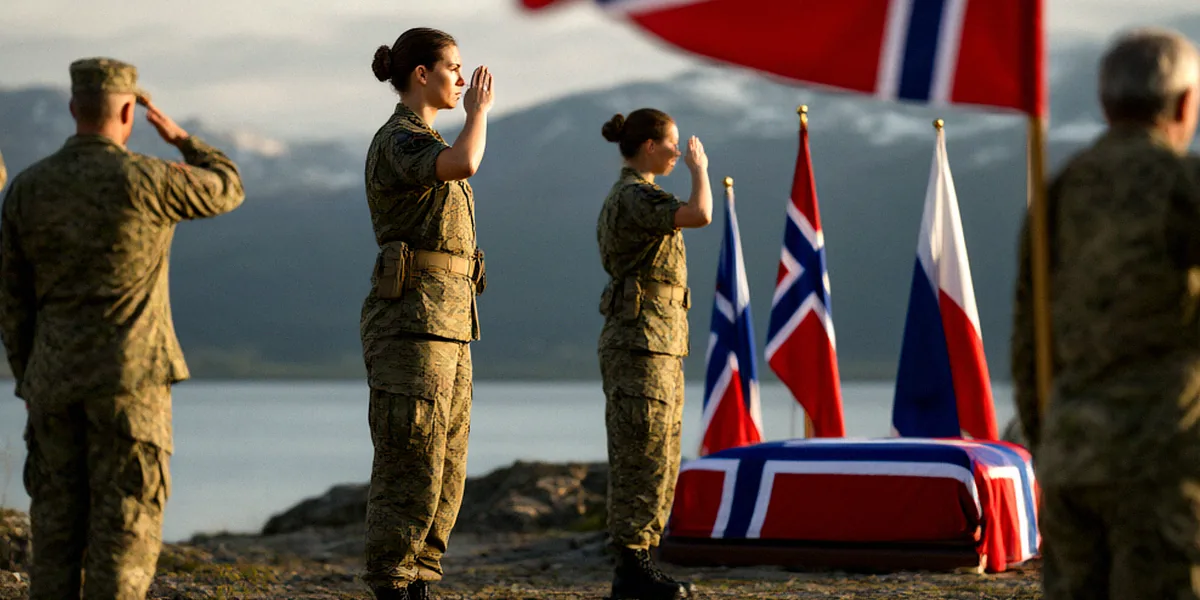
Recognition matters. Norwegian Armed Forces’ Veterans Day (Veterandagen), held on 8 May each year, is a national moment to honour those who served in internasjonale operasjoner. Veteranorganisasjoner use this day — and others — to push for medals, public ceremonies, and media coverage that acknowledge veterans’ contributions. They also campaign for better recognition of women veterans and of personnel who served in less-publicised missions.
How We Can Get Involved and Seek Help
Whether you are a veteran yourself, a family member, or simply someone who wants to support the community, there are practical steps you can take today.
Joining a Local Veteran Group
Most veteranorganisasjoner have local branches. You can find yours by visiting the national website of NVIO or SIOPS and searching for your region. Joining is usually free or low-cost, and the first meeting is informal — coffee, conversation, no pressure to share anything you are not ready to discuss.
Accessing Emergency Support
If you or someone you know is in crisis, do not wait. Useful contacts include:
- SIOPS helpline — for veterans with PTSD and their families.
- Mental Health Helpline (Mental Helse) — open 24/7 for anyone in Norway.
- Emergency number 113 — for immediate medical emergencies.
- Your local NVIO branch — for peer support and practical guidance.
For British readers, the UK charity Combat Stress offers a useful comparison: it provides similar peer and clinical support for UK veterans, and its model has inspired several Norwegian initiatives. If you are a UK veteran living in Norway, Combat Stress can still advise you remotely.
Veteranorganisasjoner i Norge are essential. They provide kameratstøtte, defend veteranrettigheter, and offer a path back to connection for those who feel lost after service. Reaching out is not a sign of weakness — it is the same instinct that kept you and your comrades alive in the field. Use it now.
FAQ
What is kameratstøtte, and why is it important for Norwegian veterans?
Kameratstøtte means comrade support — help given by fellow veterans who understand military life and deployment from personal experience. It is important because many veterans find it easier to talk to a peer than to a clinician, and peer support has been shown to reduce isolation and suicide risk.
How do I contact SIOPS or NVIO if I need help?
You can visit the official SIOPS or NVIO websites to find their helplines, chat services, and local branch contacts. SIOPS focuses on PTSD peer support, while NVIO handles broader veteranrettigheter and community activities. Both welcome direct contact from veterans and families.
Are veteranorganisasjoner in Norway free to join?
Most are free or charge a small annual membership fee. Local branches often cover their own costs through volunteers and modest public grants. You do not need to be a member to call a helpline or attend an open event.
What is the Ministry of Defence’s Veteran Action Plan?
It is a government strategy that sets out how Norwegian authorities will improve follow-up, healthcare, and recognition for veterans of internasjonale operasjoner. Veteranorganisasjoner contribute to the plan and monitor whether its promises are kept.
Can UK veterans get support from Norwegian organisations?
Norwegian organisations primarily serve veterans who served with Norwegian forces, but they can often point UK veterans toward Combat Stress or other UK charities. If you live in Norway, local peer groups may still welcome you as a guest.


Post Comment