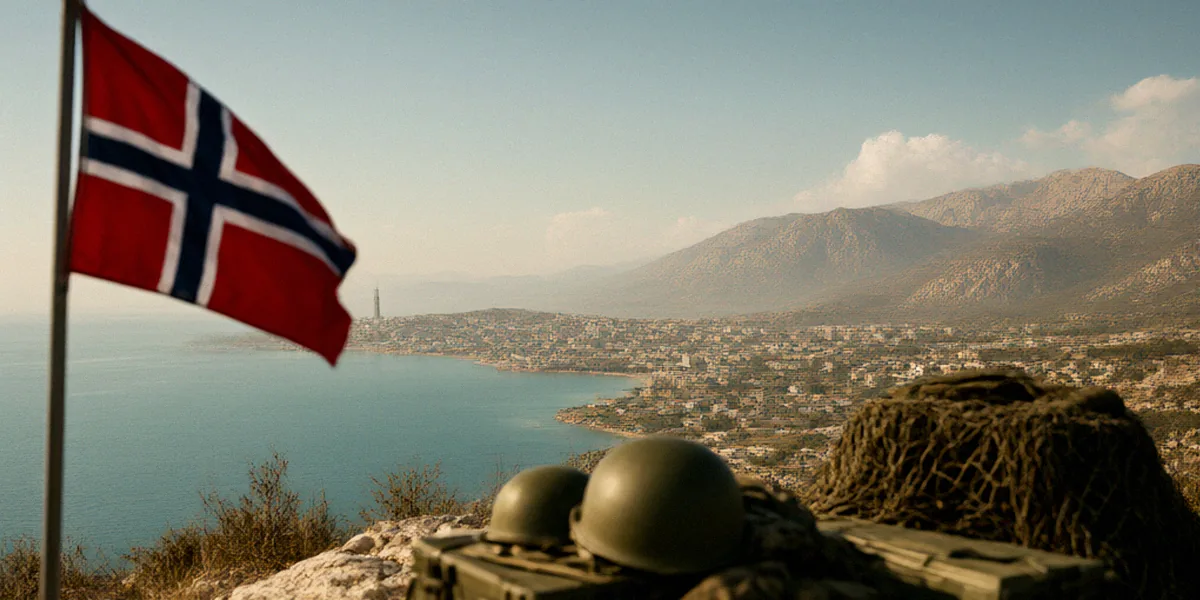
FN-veteraner: Norges innsats i Libanon
When we sit down with veterans who served in South Lebanon, the same phrase keeps coming back: «Vi var der for hverandre.» That simple sentence captures something essential about Norway’s UNIFIL contribution. Between 1978 and 1998, thousands of Norwegian soldiers rotated through dusty observation posts and patrol routes in one of the world’s most volatile regions. Many came home with memories they carry to this day — some proud, some painful. This chapter of Norwegian veteran history still matters, not just as a footnote in a history book, but because the men and women who served there are still among us, still navigating the consequences of their service. In this article, we look at why Norway sent troops to Lebanon, what daily life looked like, the mental health challenges that followed, and how veteranrettigheter and kameratstøtte have evolved since.
Bakgrunn: Hvorfor Norge sendte styrker til Libanon
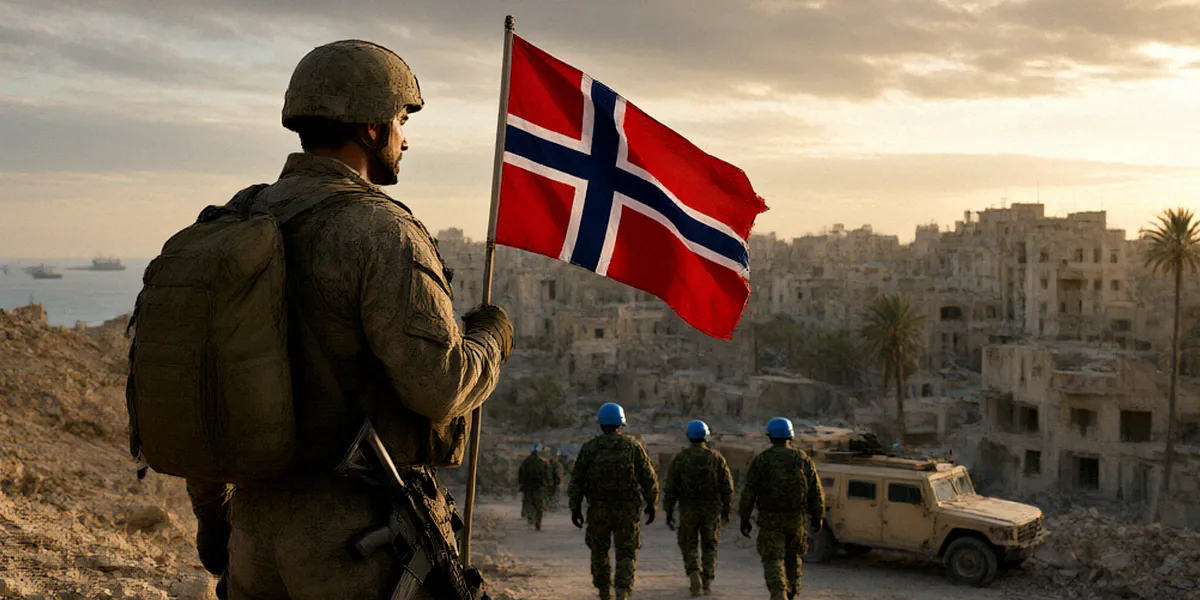
The Lebanese Civil War, which erupted in 1975, tore the country apart along sectarian and political lines. By 1978, the situation had escalated to the point where the UN Security Council intervened. UNIFIL (United Nations Interim Force in Lebanon) was established in 1978 through Security Council resolutions 425 and 426, with a mandate to confirm Israeli withdrawal from southern Lebanon, restore international peace and security, and assist the Lebanese government in reestablishing its authority in the area.
Norway was among the countries that answered the call. For a small nation with a strong commitment to multilateralism and UN peacekeeping, contributing troops to UNIFIL was a natural extension of its foreign policy. Norway contributed troops to UNIFIL from 1978 to 1998 — two full decades of continuous presence in a conflict zone that demanded patience, restraint, and resilience from every soldier on the ground.
UNIFILs mandat og Norges rolle
UNIFIL’s mandate was never simple. Peacekeepers were tasked with monitoring a fragile ceasefire, maintaining a buffer zone, and protecting civilians — all while operating under strict rules of engagement that often limited their ability to respond to provocations. Norwegian soldiers served in a variety of roles: as infantry, engineers, medical personnel, and staff officers. Norway’s contribution was modest in size compared to some larger troop-contributing countries, but it was consistent and highly regarded within the UN system.
Norwegian contingents were primarily deployed to the southern part of Lebanon, an area that bordered Israel and saw frequent flare-ups of violence. The mission demanded not only military professionalism but also cultural sensitivity and diplomatic skill, since peacekeepers had to navigate relationships with local communities, militia groups, and the Lebanese and Israeli militaries simultaneously.
De første norske kontingentene
The first Norwegian soldiers arrived in Lebanon in 1978, joining a multinational force that included troops from France, Ireland, Fiji, and other nations. Early contingents faced rudimentary conditions: basic accommodations, limited communications equipment, and a rapidly shifting security environment. Many veterans we’ve spoken with describe those first months as a crash course in improvisation — learning to build trust with local villagers while staying alert to the constant risk of sniper fire, landmines, and artillery exchanges.
The rotation system meant that new contingents arrived roughly every six months, creating a continuous cycle of training, deployment, and reintegration back home. For many young Norwegian soldiers in their early twenties, Lebanon was their first experience of a war zone — and their first real test of what kameratstøtte actually means when lives depend on it.
Hverdagen i UNIFIL: Fra patruljer til kameratskap
Daily life for Norwegian soldiers in South Lebanon was a mix of routine and unpredictability. A typical day might involve vehicle patrols, manning observation posts, conducting foot patrols through villages, or standing watch at checkpoints. The work was repetitive but never truly safe — the sound of distant shelling or the sudden appearance of armed individuals could turn an ordinary morning into a crisis within seconds.
Patruljer og observasjonsposter
Patrols along the Blue Line — the demarcation line between Lebanon and Israel — were a core part of UNIFIL’s mission. Norwegian soldiers frequently operated in this sensitive border area, where tensions between Israeli forces and Hezbollah or other armed groups could escalate without warning. Observation posts, often located on hilltops with clear sightlines, required soldiers to monitor movements, report violations, and maintain a visible UN presence.
The conditions at these posts varied widely. Some were relatively comfortable, with proper bunkers and communication equipment. Others were makeshift, exposed, and vulnerable. Soldiers spent long hours in heat, dust, and sometimes rain, watching and waiting. The psychological strain of constant vigilance — never fully relaxing, never entirely safe — was a defining feature of the UNIFIL experience.
Kameratstøtte i praksis
Ask any UNIFIL veteran what got them through, and they will almost always point to their fellow soldiers. Kameratstøtte — peer support between comrades — was not a formal program in those early years. It was something that emerged organically from shared hardship. Soldiers looked out for each other during patrols, talked through difficult experiences after shifts, and created a sense of normalcy in abnormal circumstances.
That informal support system was powerful, but it also had limits. When soldiers returned to Norway, the daily proximity to their comrades disappeared. The structured environment of military life gave way to civilian routines, and many veterans found themselves missing the intense bonds they had formed. As we’ll explore later, rebuilding that sense of community has become a central focus of veteran organizations across Norway.
Utfordringer og belastninger: PTSD og psykisk helse
Not every veteran who served in Lebanon came home unscathed. Exposure to violence, the threat of death, and the loss of comrades left deep marks on many. PTSD (Post-Traumatic Stress Disorder) is a common mental health challenge among veterans, and UNIFIL veterans are no exception. In the years after their service, many struggled with symptoms they didn’t have words for: nightmares, hypervigilance, irritability, emotional numbness, and a persistent feeling of being «outside» normal life.
Å leve med PTSD etter Libanon
For decades, PTSD was poorly understood — both within the military and in broader society. Veterans who sought help sometimes encountered stigma, skepticism, or a lack of specialized services. Many chose to stay silent, believing their reactions were a sign of weakness rather than a legitimate response to trauma. The culture of the time emphasized toughness and self-reliance, which made it even harder to admit that something was wrong.
We’ve heard from veterans who went years, sometimes decades, before receiving a proper diagnosis. In the meantime, relationships suffered, careers stalled, and some turned to alcohol or isolation as coping mechanisms. The delayed recognition of PTSD as a service-related condition has been one of the most significant failures in how Norway has handled its veteran population — though much has improved since.
Hjelpetilbud og behandling
Today, the Norwegian Armed Forces and the civilian health services offer a range of treatment options for veterans with PTSD and other mental health conditions. These include:
- Specialized trauma treatment at institutions such as Modum Bad and the Norwegian Centre for Violence and Traumatic Stress Studies (NKVTS)
- Peer support groups organized by NVIO and other veteran organizations
- Rehabilitation programs through the Norwegian Labour and Welfare Administration (NAV)
- Psychological follow-up through the Armed Forces’ veteran administration
- Family support and counseling services
Access to these services has improved, but challenges remain. Waiting times can be long, and some veterans still feel that their experiences from UNIFIL are not fully recognized compared to more recent missions like Afghanistan. Advocacy from veteran organizations continues to push for better coverage and faster response.
Veteranrettigheter: Hva har Norge gjort for FN-veteranene?
The evolution of veteranrettigheter in Norway has been gradual. In the early years after UNIFIL deployments ended, there was little formal recognition of the specific needs of veterans. Compensation schemes were limited, and mental health services were not tailored to military trauma. Over time, pressure from veteran organizations, media attention, and political advocacy led to meaningful reforms.
Økonomisk støtte og erstatning
Norwegian veterans who sustained physical or psychological injuries during international operations may be eligible for compensation through several channels. These include:
- War pension (krigspensjon) for injuries sustained during service
- Compensation from the Norwegian Armed Forces’ injury compensation scheme
- Support from the Norwegian Labour and Welfare Administration (NAV) for reduced work capacity
- Special grants and stipends administered by the Ministry of Defence
The application process can be complex, and many veterans have reported difficulties navigating the bureaucracy. Organizations like NVIO (Norges Veteranforbund for Internasjonale Operasjoner) have played a crucial role in helping veterans understand their rights and pursue claims.
Helse- og rehabiliteringstilbud
In addition to financial support, Norway offers health and rehabilitation services specifically designed for veterans. These include specialized treatment for PTSD, physical rehabilitation for injuries, and programs aimed at helping veterans return to work or education. The Norwegian Armed Forces also maintains a veteran coordinator network to assist former service members in accessing services.
Despite these improvements, gaps remain. Some veterans fall between the cracks — particularly those who served in the 1980s and 1990s, before modern veteran support systems were fully developed. Ensuring that all UNIFIL veterans receive the care they need remains an ongoing priority for advocacy groups.
Kameratstøtte og fellesskap: Å holde båndene ved like
The bonds formed during UNIFIL service don’t disappear when the uniform comes off. For many veterans, maintaining contact with former comrades is not just a social nicety — it’s a lifeline. Kameratstøtte, in its broadest sense, is about shared understanding. You don’t have to explain what it was like to someone who was there. That implicit trust and mutual recognition can be profoundly healing.
Veteranorganisasjoner og møteplasser
NVIO (Norges Veteranforbund for Internasjonale Operasjoner) is a key veteran organization in Norway, offering a range of services including peer support groups, social events, and advocacy on behalf of veterans’ interests. Local branches organize regular meetups where veterans can reconnect, share stories, and support each other through difficult periods.
Other organizations, such as the Norwegian Veterans Association and various regimental associations, also provide meeting places and activities. For many UNIFIL veterans, these gatherings are the first time they’ve spoken openly about their experiences in years — sometimes decades.
Digitale fellesskap og støtte
In recent years, digital platforms have become an important supplement to physical meetings. Facebook groups, online forums, and video calls allow veterans to stay connected regardless of geography. For those who live far from major cities or who have mobility issues, these digital communities can be a vital source of support.
We’ve seen how a simple message in a veteran group — «Noen som var i Libanon i ’85?» — can spark conversations that help someone feel less alone. That’s kameratstøtte in the modern age: low-threshold, accessible, and rooted in shared experience.
Libanon-innsatsen i et moderne perspektiv
The UNIFIL mission shaped Norway’s approach to international operations in ways that are still felt today. Lessons learned in Lebanon — about force protection, cultural awareness, and the psychological toll of peacekeeping — informed later deployments to the Balkans, Afghanistan, and Iraq. The experience also highlighted the importance of preparing soldiers for the transition back to civilian life, something that has become a standard part of pre- and post-deployment training.
Lærdommer for fremtidige operasjoner
One of the clearest lessons from UNIFIL is that mental health support must be integrated into the entire deployment cycle — before, during, and after service. Early identification of PTSD and other conditions, combined with accessible treatment, can prevent years of unnecessary suffering. Another lesson is the value of peer support. Formal mental health services are essential, but they work best when complemented by strong kameratstøtte networks.
As Norway continues to participate in international operations, these lessons remain relevant. The veterans of today’s missions deserve the same recognition and support that earlier generations fought for — and in some cases, are still fighting for.
Å hedre FN-veteranenes arv
Honoring the legacy of UNIFIL veterans means more than ceremonies and medals. It means ensuring that their service is remembered accurately, that their needs are met, and that future generations understand what they contributed. It means listening when they speak, and acting when they need help.
We believe that the story of Norway’s UNIFIL veterans is not just a historical narrative — it’s a living one. The men and women who served in Lebanon are part of our communities, our workplaces, and our families. Their experiences deserve to be known and respected.
Ofte stilte spørsmål (FAQ)
Hvor mange nordmenn tjenestegjorde i UNIFIL?
I løpet av perioden 1978–1998 tjenestegjorde flere tusen norske soldater i UNIFIL. Mange av dem var unge menn og kvinner i 20-årene, og de fleste hadde seks måneders kontrakter før de ble rotert hjem.
Hva er PTSD, og hvordan påvirker det veteraner?
PTSD (Post-Traumatic Stress Disorder) er en psykisk lidelse som kan oppstå etter eksponering for traumatiske hendelser. Vanlige symptomer inkluderer mareritt, flashbacks, hyperårvåkenhet, irritabilitet og unnvikelse av situasjoner som minner om traumet. Mange UNIFIL-veteraner har opplevd symptomer i årevis før de fikk hjelp.
Hvilke rettigheter har norske FN-veteraner?
Norske veteraner kan ha rett til krigspensjon, erstatning fra Forsvaret, støtte fra NAV og spesialiserte helsetjenester. Rettighetene avhenger av type skade og når den oppstod. NVIO og andre organisasjoner kan hjelpe med å navigere i regelverket.
Hvordan kan jeg få kontakt med andre UNIFIL-veteraner?
Du kan kontakte NVIO eller lokale veteranforeninger for å finne møteplasser og støttegrupper. Det finnes også flere digitale fellesskap på Facebook og andre plattformer hvor veteraner deler erfaringer og holder kontakten.
Hva gjør Norge i dag for å støtte veteraner fra internasjonale operasjoner?
Norge tilbyr i dag en rekke støtteordninger, inkludert psykisk helsehjelp, rehabilitering, økonomisk kompensasjon og veterankoordinatorer i Forsvaret. Veteranorganisasjoner spiller en viktig rolle i å sikre at disse ordningene fungerer i praksis.
Norway’s UNIFIL veterans gave two decades of service in one of the world’s most difficult peacekeeping environments. They deserve lasting recognition, robust support systems, and continued kameratstøtte — not just in words, but in action. Whether through better mental health services, stronger veteranrettigheter, or simply staying connected to one another, we all have a role to play in honoring their sacrifice.

Post Comment