
Kameratstøtte: How Peer Support Works for UK Veterans
You hand in your kit, walk out of the gate for the last time, and suddenly the banter, the shared purpose and the people who just got it are gone. For a lot of veterans, that silence is harder than anything they faced on deployment. We want to introduce you to kameratstøtte — a Norwegian idea that translates roughly as «comrade support» — because it is one of the most practical, proven ways UK veterans reconnect with people who understand, without sitting on a waiting list or explaining yourself from scratch.
What Is Kameratstøtte?

Kameratstøtte is peer support built on shared military experience. It means sitting with someone who has also worn the uniform, who knows what a tour does to your sleep, your temper and your relationships, and who is not there to diagnose you. The support flows sideways rather than downwards: veteran to veteran, not clinician to patient.
We are clear about one thing from the outset — kameratstøtte is not a replacement for professional mental health care. It is a complementary layer. Peer support keeps you connected and motivated; therapy and medication treat conditions. The two work best together.
The Norwegian Concept Behind Kameratstøtte
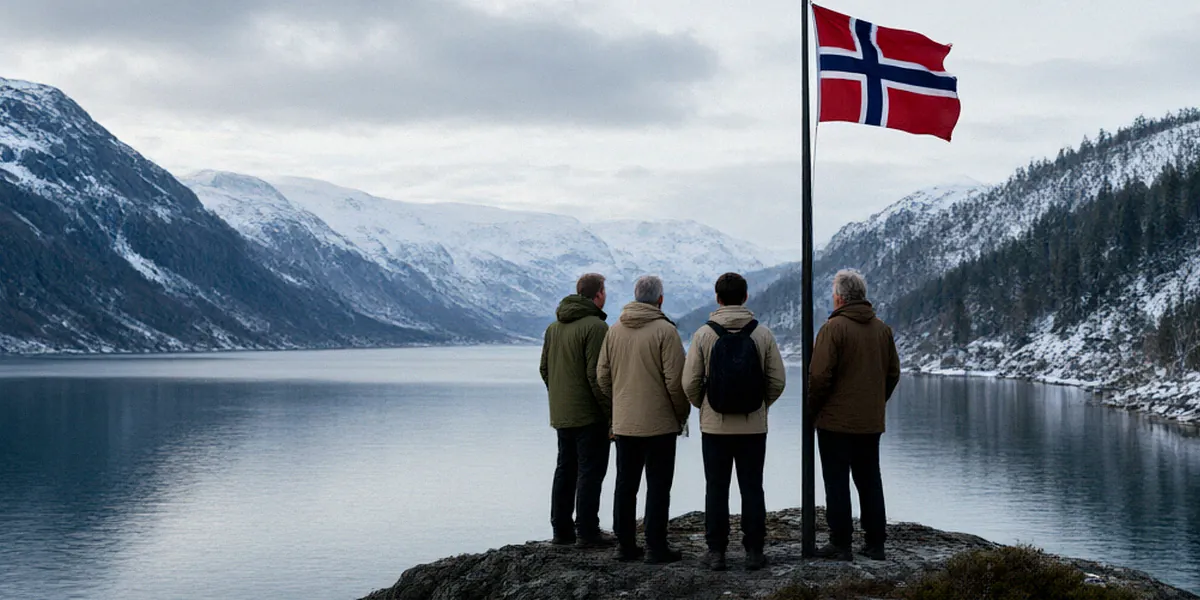
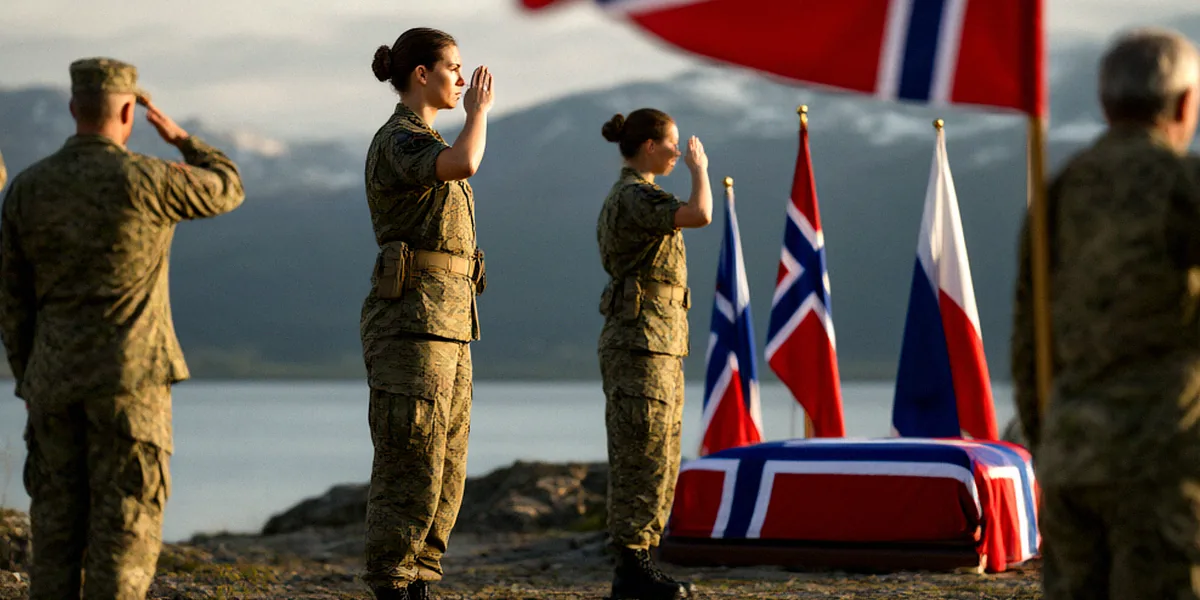
Norway has long relied on «kameratstøtte» within its armed forces and veterans’ sector — the principle that the person best placed to reach a struggling veteran is often another veteran. It is a low-threshold model: no referral letter, no clinical language, just trained peers who have been there. The idea travels well, and UK organisations have adopted similar approaches under the banner of peer support and mentoring.
How Peer Support Differs from Clinical Treatment
Clinical treatment is delivered by qualified professionals — psychiatrists, psychologists, mental health nurses — and focuses on assessment, diagnosis and evidence-based therapy such as trauma-focused CBT or EMDR. Kameratstøtte focuses on connection, routine, listening and practical encouragement. A peer supporter will never diagnose you or adjust your medication. What they will do is walk alongside you, check in when you go quiet, and point you towards proper help when it is needed.
Why Kameratstøtte Matters for UK Veterans
We believe every veteran should know about kameratstøtte because the numbers tell a stark story. Research from the King’s Centre for Military Health Research indicates that around 1 in 10 UK veterans experience PTSD or common mental health problems such as depression and anxiety. That is tens of thousands of people, many of whom never come forward.
The Scale of Veteran Mental Health Need in the UK
Those who served on operations in Iraq and Afghanistan make up a significant share of referrals, but the need spans every generation. Early service leavers — those who left before completing four years — are a particularly vulnerable group. Meanwhile, the Armed Forces Covenant sets out the UK government’s commitment to fair treatment for veterans, including in healthcare, housing and employment. It is a promise, not a favour, and it is worth knowing your rights under it.
How Kameratstøtte Complements NHS and Charity Services
Formal pathways exist and they work, but they can be slow or intimidating. Op COURAGE is the NHS England veteran mental health service, accessible via GP referral, offering specialist assessment and treatment. Combat Stress is a UK charity providing peer support and clinical services for veterans. SSAFA offers local peer support and mentoring for veterans and their families. Kameratstøtte sits alongside all of these — it keeps you steady while you wait, and it catches people who would never pick up the phone to a clinic.
How Kameratstøtte Works in Practice
In practice, kameratstøtte is deliberately informal. There is no couch, no clipboard and no jargon. What there is: trained peer supporters, regular group sessions, one-to-one chats and informal meet-ups over a brew. Sessions are confidential and veteran-led, meaning the people in the room shape what happens.
Group Sessions and One-to-One Support
Groups typically run weekly or fortnightly in community venues, veteran hubs or online. Some are open to all; others focus on a specific cohort, such as younger veterans or those who served in a particular theatre. One-to-one support is more private — a walk, a coffee, a phone call — and often suits people who are not ready for a room full of strangers.
Training and Safeguarding for Peer Supporters
Good peer support is not just well-meaning amateurs. Reputable programmes train their supporters in listening skills, mental health awareness, suicide prevention and boundaries. Safeguarding procedures exist so that if a peer discloses serious risk, there is a clear route to professional help. If you are considering a programme, ask what training and supervision their supporters receive.
Confidentiality and Boundaries
What is said in a kameratstøtte session stays there, with the standard exception of immediate risk to life. Peer supporters are not counsellors, and they are not on call 24/7. Respecting those boundaries protects both sides and keeps the relationship sustainable.
Who Can Benefit from Kameratstøtte?
Short answer: almost any veteran, at any stage. We see it help people who left the forces last year and people who left forty years ago. It also supports families, who often carry the weight quietly.
Veterans with PTSD or Depression
If you are living with flashbacks, hypervigilance, low mood or anger, kameratstøtte will not treat those symptoms — but it will reduce the isolation that makes them worse. Many veterans tell us the group is the first place they have felt normal in years.
Early Service Leavers and Younger Veterans
Those who left before completing basic training or shortly after often fall outside formal veteran networks and feel they do not «qualify» as veterans. They do. Peer support is often the easiest first step for this group.
Families and Carers
Partners, parents and carers can access peer support too, often through SSAFA’s local networks. Talking to someone who has lived with a veteran helps families understand what is happening and what support exists.
How to Access Kameratstøtte in the UK
Getting started is simpler than most people expect. Here are the practical routes we recommend:
- Contact Combat Stress for peer support and clinical services.
- Contact SSAFA for local peer support and mentoring, including for families.
- Contact the Royal British Legion for advice and community connections.
- Ask your GP about Op COURAGE, the NHS England veteran mental health service.
- Call Veterans’ Gateway, the UK helpline and online service connecting veterans to support.
- Join a local veteran hub or men’s/women’s veterans’ meet-up in your area.
Charities and Peer Support Networks
Combat Stress and SSAFA are the two names we mention most often, but many smaller regimental associations and local groups run peer support too. A quick call to Veterans’ Gateway will point you to what exists near you.
NHS Op COURAGE and GP Referrals
If your symptoms are significant, ask your GP for a referral to Op COURAGE. It is free, veteran-specific and designed to work with charity support rather than instead of it.
Local Veteran Hubs and Meet-Ups
Many towns now have veteran hubs, breakfast clubs or walking groups. These are often the least formal entry point — turn up, have a brew, see how it feels.
What to Expect from a Kameratstøtte Session
If you are nervous about your first session, that is completely normal. Here is what usually happens.
Setting and Format
Expect a relaxed room — a community hall, a café, a sports club — with chairs in a circle and tea on the go. Sessions typically last 60 to 90 minutes and are facilitated by a trained peer supporter. You are not obliged to speak.
Ground Rules and Respect
Most groups agree simple ground rules at the start: what is shared stays shared, no rank, no judgement, no advice unless asked for. Rank is left at the door — a former private and a former colonel sit as equals.
Measuring Progress and When to Seek More Help
Many veterans report reduced isolation and improved mood after attending regularly for a few weeks. If you find your symptoms worsening, or you have thoughts of harming yourself, that is the moment to seek more help — your peer supporter will help you take that step, and your GP or Op COURAGE can provide clinical treatment.
Kameratstøtte is a practical, veteran-led lifeline that works alongside formal NHS and charity care. It will not fix everything on its own, but it will make sure you are not carrying it alone. Take the first step today: call Veterans’ Gateway, ring Combat Stress or SSAFA, or ask your GP about Op COURAGE. The people on the other end have been where you are.
Ofte stilte spørsmål (FAQ)
Is kameratstøtte the same as therapy?
No. Kameratstøtte is peer support delivered by trained veterans, not clinicians. It complements professional treatment such as trauma-focused therapy or medication, but it does not replace it.
Do I need a diagnosis or referral to join?
Generally no. Most peer support programmes are open to any veteran without a formal diagnosis or referral. NHS services like Op COURAGE do require a GP referral.
Is what I say kept confidential?
Yes. Peer support sessions are confidential, with the standard exception where there is an immediate risk to life. Facilitators will explain the boundaries at the start of your first session.
Can families and carers access support too?
Yes. Organisations such as SSAFA offer support and mentoring for veterans’ families and carers, and many local groups welcome partners and relatives.
What if I served a long time ago, or only briefly?
You still qualify. Kameratstøtte is open to veterans of all generations, including early service leavers. There is no minimum length of service to deserve support.


Post Comment