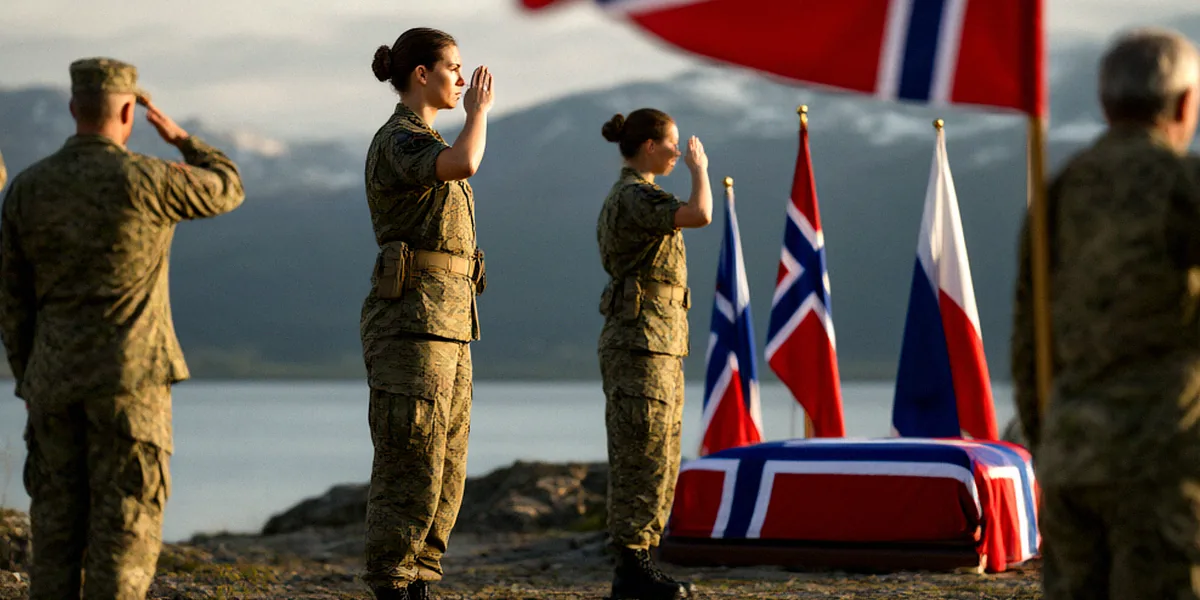
Veterandagen 8. mai: Honouring Service and Sacrifice
On 8 May, Norway marks two significant occasions at once. It is Liberation Day, commemorating the end of the Second World War and the German occupation in 1945, and it is also Veterandagen — the official day to honour those who have served in international operations. We believe this dual significance deserves far wider recognition than it often receives. While the flags fly and the speeches are made, many Norwegians may not fully appreciate that the same date carries a second, equally important meaning: a national thank-you to the men and women who have worn the uniform abroad in the service of peace, security, and humanitarian ideals.
What is Veterandagen?
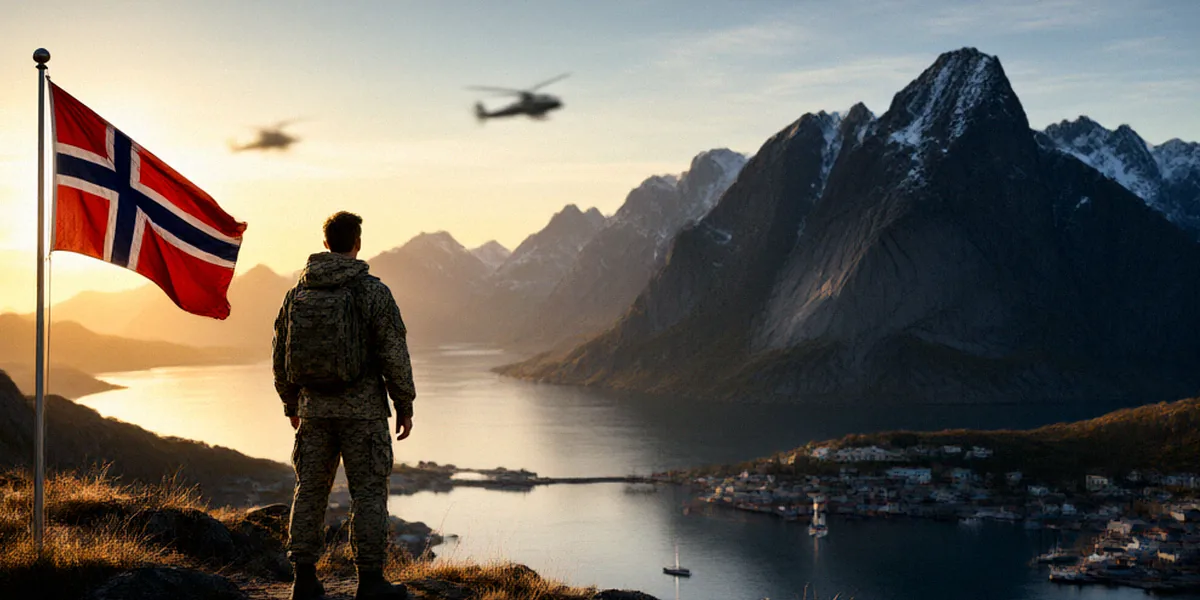
Veterandagen is Norway’s official Veterans Day, observed every year on 8 May. The date was chosen deliberately to coincide with Liberation Day, creating a natural link between the generation that fought for Norway’s freedom in the 1940s and the veterans of later international operations. On this day, the nation pauses to recognise the contributions of those who have served in missions ranging from peacekeeping to combat, and to acknowledge the sacrifices made by them and their families.
Historical background of 8 May in Norway
8 May 1945 marked the liberation of Norway from five years of occupation. The day has been commemorated ever since as a national day of remembrance and gratitude. In the decades that followed, Norway became an active participant in international operations, and a growing recognition emerged that the veterans of these missions deserved a dedicated moment of national acknowledgement. Over time, Veterandagen became formally established as part of the 8 May observances, ensuring that both the Second World War generation and modern veterans are honoured together.
Difference between Veterans Day and Liberation Day
Although they share a date, the two observances have distinct focuses. Liberation Day centres on the end of the occupation and the restoration of Norwegian sovereignty, with ceremonies remembering the resistance fighters, civilians, and Allied forces who contributed to freedom. Veterandagen, by contrast, specifically honours those who have served in Norway’s armed forces during international operations after 1945. In practice, the two are deeply intertwined: many 8 May events include elements of both, and the shared date serves as a reminder that the defence of freedom did not end in 1945.
The Role of International Operations
Since the end of the Second World War, Norwegian personnel have participated in a long series of international operations. These deployments have shaped not only global security but also the identity of the modern Norwegian veteran. From the scorching heat of Afghanistan to the rugged terrain of Kosovo and the volatile southern border of Lebanon, Norwegian soldiers, sailors, and air personnel have served far from home in the name of peace and stability.
Key missions and their legacy
Several missions stand out as defining chapters in Norway’s modern military history:
- ISAF in Afghanistan — Norway contributed significant forces to the International Security Assistance Force, with personnel deployed in Kabul, Meymaneh, and other regions. The mission was among the most dangerous Norway has undertaken, and it produced a generation of veterans with direct combat experience.
- KFOR in Kosovo — Norwegian troops served in the NATO-led Kosovo Force from 1999 onwards, helping to maintain security in a region scarred by conflict. KFOR remains one of Norway’s longest-running international commitments.
- UNIFIL in Lebanon — Norway has contributed to the United Nations Interim Force in Lebanon, supporting stability along the Israeli-Lebanese border. This mission reflects Norway’s longstanding tradition of UN peacekeeping.
These operations, and others like them in the Balkans, the Middle East, and Africa, have left a lasting legacy. They have given Norway a respected voice in international security affairs, but they have also placed real demands on the individuals who served.
From peacekeeping to combat: changing veteran experiences
The nature of Norwegian deployments has shifted over the decades. Early missions were largely peacekeeping in character, with relatively clear front lines and defined mandates. Later operations, particularly in Afghanistan, blurred the distinction between peacekeeping and combat. Norwegian personnel found themselves in situations requiring split-second decisions, facing ambushes, improvised explosive devices, and the constant threat of asymmetric warfare. This evolution has changed what it means to be a veteran, and it has placed new demands on the support systems that exist to help them.
PTSD and Mental Health Among Veterans
Service in international operations can leave deep psychological marks. PTSD — post-traumatic stress disorder — is a recognised condition among veterans, and it is one that our team believes must be discussed openly rather than hidden behind a stiff upper lip. The culture of silence that once surrounded mental health in military circles has begun to shift, but there is still work to do.
Recognising PTSD symptoms
PTSD can manifest in different ways, and it does not always appear immediately after a deployment. Common signs include:
- Intrusive memories, flashbacks, or nightmares about traumatic events
- Avoidance of places, people, or situations that trigger reminders
- Hypervigilance, irritability, or being easily startled
- Difficulty sleeping, concentrating, or feeling emotionally connected to others
- Feelings of guilt, shame, or hopelessness
Recognising these symptoms in oneself or in a fellow veteran is the first step towards getting help. It is not a sign of weakness — it is a sign of humanity.
Available treatment and support pathways
Norway has dedicated treatment pathways for veterans experiencing mental health difficulties. The Norwegian Armed Forces’ own health services, specialised clinics within the public healthcare system, and organisations such as NVIO offer a range of options including therapy, group counselling, and rehabilitation programmes. Many veterans also find that speaking with others who have shared similar experiences is an essential part of recovery. The key message we want to convey is that help exists, and reaching out for it is a sign of strength, not failure.
Veteranrettigheter: Rights and Entitlements
Veteranrettigheter — veterans’ rights — are an important but sometimes overlooked area. Norway has developed a framework of entitlements designed to support those who have served, covering areas such as compensation, healthcare, and pensions. Understanding these rights is essential for veterans and their families.
Legal framework and recent changes
Norwegian veterans’ rights are grounded in a combination of legislation, parliamentary decisions, and administrative schemes. Over the years, the framework has been strengthened, with increased attention to the needs of veterans of international operations. Recent changes have focused on improving access to compensation for service-related injuries, including psychological injuries such as PTSD, and on ensuring that veterans receive timely and appropriate healthcare. The establishment of dedicated veteran contact points and the expansion of NVIO’s role have also improved the practical delivery of these rights.
How to apply for support
Applying for veteran support typically involves several steps. Veterans are encouraged to:
- Contact their local NAV office or the Norwegian Armed Forces’ personnel and veteran department to clarify which schemes apply to their situation.
- Gather relevant documentation, including service records, medical reports, and any evidence of service-related injury or illness.
- Submit an application through the appropriate channel, whether that is NAV, the Armed Forces, or a specialised compensation scheme.
- Seek assistance from organisations such as NVIO, which can provide guidance and advocacy throughout the process.
We know that navigating bureaucracy can feel daunting, particularly for those already dealing with health challenges. That is precisely why peer support and professional guidance matter so much.
Kameratstøtte: The Power of Peer Support
Kameratstøtte — comrade support — is one of the most powerful resources available to veterans. The bond between those who have served together is difficult to replicate, and that bond can be a lifeline during difficult times. Peer support recognises that sometimes the most effective help comes from someone who has walked the same path.
How peer support works
Peer support operates on the principle that shared experience creates understanding. A veteran speaking with another veteran does not need to explain the context of their service or justify their feelings. Organisations such as NVIO have built networks where veterans can meet, talk, and support one another in a confidential and non-judgemental environment. This can range from informal coffee meetings to structured group sessions and one-to-one mentoring. The results speak for themselves: many veterans report that peer support has been instrumental in their recovery and reintegration into civilian life.
Finding a local veteran community
There are veteran communities across Norway, from major cities to smaller towns. NVIO has local branches, and other organisations and informal networks also exist. We encourage any veteran — whether newly returned from deployment or many years into civilian life — to reach out and find a community. Belonging matters, and no one should feel they have to carry their experiences alone.
How We Can Mark Veterandagen
Veterandagen is an opportunity for all of us — veterans and civilians alike — to show appreciation and to reflect on what service means. There are many ways to mark the day, and we believe that active participation is more meaningful than passive observance.
Ceremonies and events across Norway
The main national ceremony takes place at Akershus Fortress in Oslo, where representatives of the armed forces, veterans’ organisations, and the royal family gather to lay wreaths and pay tribute. Similar ceremonies are held in towns and cities across the country. Attending a local event is a simple but powerful way to show solidarity. Many municipalities also organise concerts, exhibitions, and talks in the days around 8 May.
Supporting veterans year-round
Recognition should not be limited to a single day. We encourage everyone to support veteran charities, volunteer with organisations such as NVIO, and engage in conversations about veterans’ experiences throughout the year. Employers can consider veteran-friendly hiring practices. Schools can invite veterans to share their stories. And individuals can simply take the time to listen when a veteran chooses to speak.
FAQ
What is Veterandagen?
Veterandagen is Norway’s official Veterans Day, observed on 8 May. It honours those who have served in international operations and coincides with Liberation Day, which commemorates the end of the Second World War occupation.
Why is Veterandagen on 8 May?
8 May was chosen because it is already Liberation Day in Norway. Linking the two observances connects the generation that fought for Norway’s freedom with the veterans of modern international operations.
What support is available for veterans with PTSD in Norway?
Norway has dedicated treatment pathways for veterans with PTSD, including services through the Norwegian Armed Forces’ health services, specialised public healthcare clinics, and organisations such as NVIO. Peer support networks also play a vital role in recovery.
What is NVIO?
NVIO is a key Norwegian organisation providing support for veterans. It offers peer networks, guidance on veteranrettigheter, and advocacy for veterans and their families.
Where is the main national Veterandagen ceremony held?
The main national ceremony takes place at Akershus Fortress in Oslo, with wreath-laying and tributes attended by representatives of the armed forces, veterans’ organisations, and the royal family.
Veterandagen is more than a date on the calendar. It is a reminder that the freedoms we enjoy have been defended by real people who made real sacrifices, and that our responsibility to them does not end when the ceremony concludes. Whether through attending a ceremony, supporting a veteran charity, or simply having a conversation, each of us can play a part in ensuring that Norway’s veterans feel seen, valued, and supported — not just on 8 May, but every day of the year.


Post Comment